

It Might Look Dry… But Is It Really? Understanding Growing Season and Wetland Delineations in Ohio
Accurate wetland delineations depend heavily on timing, expertise, and an understanding of the ecological services that support sound environmental decision-making.
How Growing Season Conditions Influence Accurate Wetland Delineation
As temperatures drop and Ohio’s growing season winds down, it’s easy to look across a site and assume wetland work is wrapped for the year. But just because an area doesn’t look wet doesn’t mean it isn’t a wetland.

Ohio’s Main Growing Season
In Ohio, the “growing season” typically spans from late March through mid-October — when soil temperatures remain above roughly 41°F at a depth of 12 inches for several consecutive days. During this period, wetland indicators like vegetation, hydrology, and soil characteristics are most visible and reliable for identification.
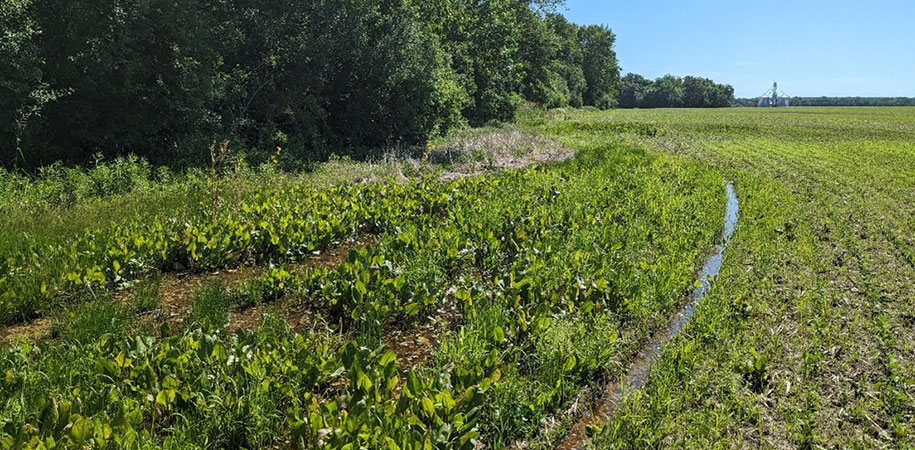
When to Conduct Wetland Delineation Surveys
The U.S. Army Corps of Engineers recommends that wetland delineations be conducted during the growing season window to ensure the most accurate representation of site conditions. When delineations are completed outside the growing season, the Corps may require a spring site visit to verify findings or collect additional data once plants begin actively growing again. In recent years, many Corps Districts have placed a stronger emphasis on confirming growing-season conditions, so documentation and timing have become increasingly important.
Completing Wetland Delineation Surveys Year-Round
Wetland delineation surveys can be conducted year-round, especially when project timelines demand it. The key is clear communication and setting expectations for potential follow-up once conditions improve.
Planning Wetland Delineation Surveys to Avoid Delays
By understanding how seasonal changes affect wetland identification, clients can plan projects more efficiently, avoid delays, and ensure compliance with regulatory requirements — even when the ground seems frozen and quiet.
Partner With EDG for Smarter Ecological Services
Selecting an experienced ecological team to stay ahead of seasonal changes can help clients plan smarter, stay compliant, and keep projects moving forward year-round. Contact us for more information or learn more about this and other ecological surveys and services.