

Creating Habitat: Collaboration for Zoo Design
A flamboyance of flamingos, a tower of giraffes, a romp of otters. A throng of owner’s team members?
By their nature, zoo animal exhibits are complex and challenging design projects for the professionals tasked with their creation (architects, engineers, landscape architects). Often in these types of projects, the owner is represented by many individuals from different departments, different responsibility levels, and different priorities. Coalescing the various suggestions, recommendations, and opinions into a cohesive project during the design process presents a unique challenge for the design team.
A Collaborative Approach to Zoo Site Development
Constructing a new animal exhibit is exciting for everyone involved. Once the animal species and location for the new exhibit are determined, the design team gets to work designing the project. The owner’s team members are integrally involved throughout the process, providing information, critiques, preferences, and expertise. Below are some of the owner’s team members and groups that EDG has encountered while working on Zoo projects throughout Ohio and a brief description of the critical roles they play during the process.
Animal Care Team
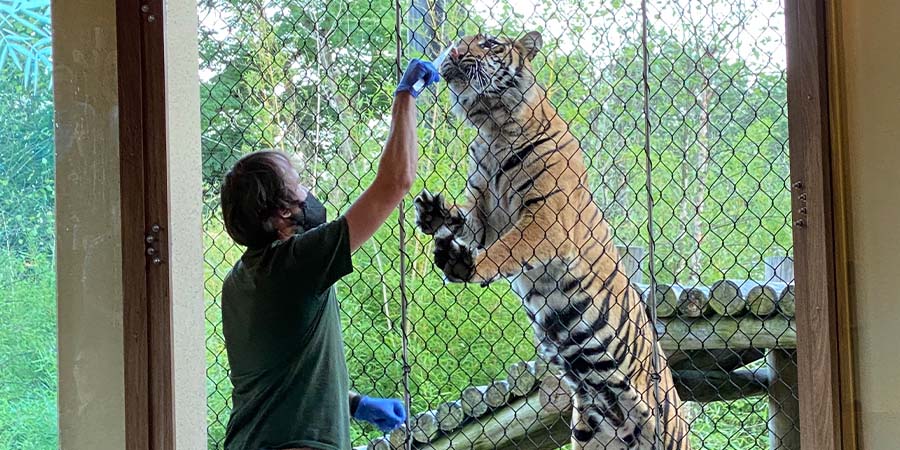
The animal care team helps the design team understand the needs of the animals to be housed in the exhibit and how the animal care team will care for them. They guide where shift gates are located to move the animals from one space to another, what kinds of large enrichment items are appropriate and how they need to be mounted for animal safety and ease of replacement. If any training opportunities are intended for visitor viewing, animal care staff can determine where it should be located.
Education & Interpretive Staff
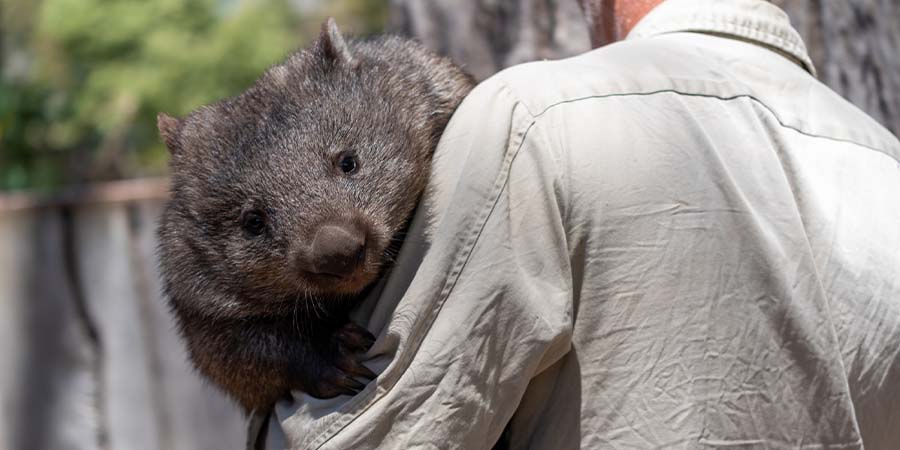
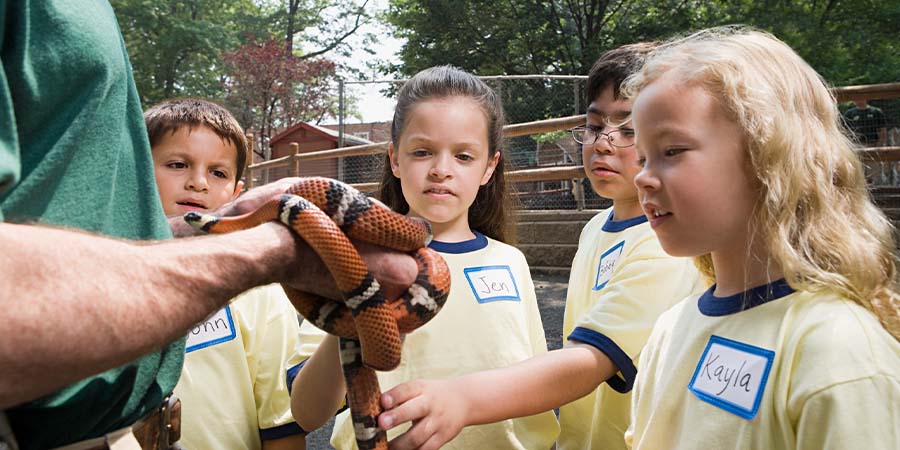
Most zoos have an education and interpretive staff to develop learning programs and signage to teach the public about the animals, conservation and other educational topics. Education and interpretive staff determine what kinds of signage and interactive pieces are appropriate and where they should be located. It is then the design team can provide the necessary ground space for the pieces to be viewed or manipulated. It is also important to design spaces where temporary exhibits and activities can occur, such as a place for visitors to encounter animal ambassadors up close.
Zoo Veterinarians
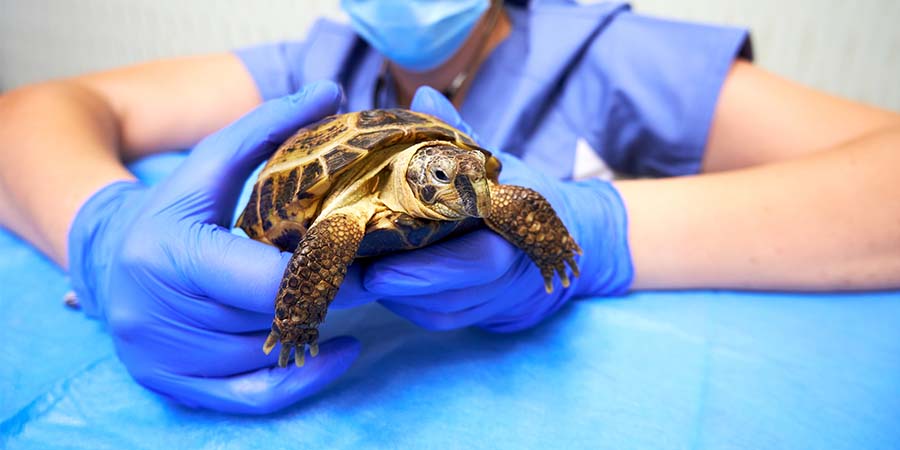
Zoo veterinarians look after the health of the animals and can identify potential hazards within and surrounding an exhibit. It is critical that veterinary staff review the potential plant list to verify that none of the proposed species present a hazard for the animals. This is crucial for not only the plants within an exhibit enclosure but also outside of the containment fence and within reach of the animals. Veterinary staff can also identify potentially hazardous materials such as fence coatings or paint that could pose a hazard.
Operations & Maintenance
This team gives direction to how the new facility will be serviced, operated and maintained. They provide useful data such as the types of vehicles used for maintenance activities, where deliveries are best received, and how enrichment items within yards will be replaced. In cold climates, O & M staff determine where snow will be deposited. This information helps outline site circulation and utility design for long term service.

Horticulture Staff
The horticulture staff maintains the vegetation within the Zoo, so they often have knowledge regarding plants that have thrived and those that have not grown well on the site in the past. They may also have a ‘wish list’ of plants that designers can try to incorporate. Landscape area gate access for maintenance purposes is often a discussion that takes place with the staff.
The Value of Collaborative Design
The staff listed above is a sampling of interest groups that may be involved in the design and construction of a new zoo animal exhibit. Incorporating input from staff results in an animal exhibit that creates a safe, comfortable home for the animal, allows the animal to exhibit natural behavior, and facilitates maintenance for staff while limiting disruption to the animal. After all, having healthy, contented animals is paramount for everyone involved.
To learn more about EDG’s zoo projects visit: EDG Site Development.