



Protecting Our Waters: Biological Nutrient Removal
Protecting our water resources requires wastewater treatment system design solutions that support long-term environmental health and the ecological services communities rely on. As regulations tighten and nutrient pollution becomes a growing concern, Biological Nutrient Removal (BNR) is emerging as an effective wastewater treatment approach.
Understanding Biological Nutrient Removal in Modern Wastewater Engineering
As communities engage in conversations about more efficient and effective ways to treat wastewater, the discussion often turns to the reduction of harmful nutrients such as nitrogen and phosphorus that can be released into water systems with negative impact.
There is no absolute standard for phosphorus, but typical limits range from 1.0mg/L or less. The metric reduces when impacting sensitive areas such as lakes and streams, as excessive amounts of phosphoric discharge can lead to algal blooms, which deplete oxygen and harm aquatic life.
Wastewater Engineering That Removes Excess Phosphorus
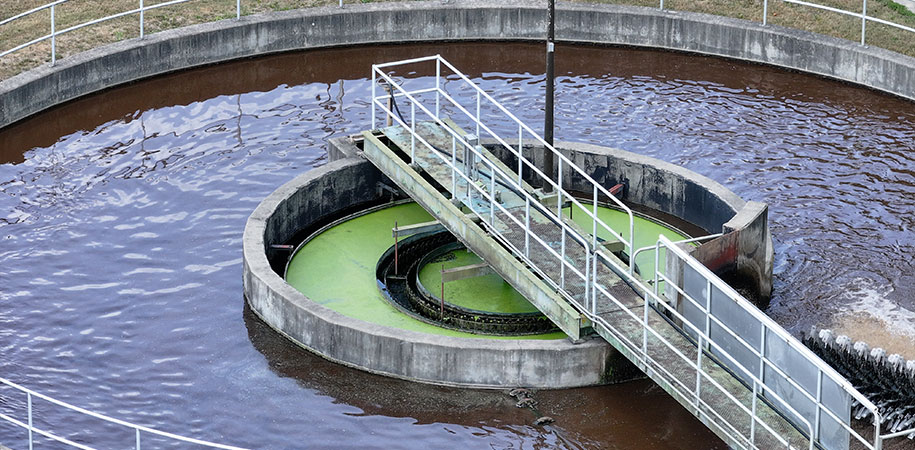
How can we best treat wastewater to reduce phosphorus? A preferred method is an enhanced biological treatment known as Biological Nutrient Removal (BNR), which uses existing microorganisms to remove excess nitrogen and phosphorus before discharging into the environment.
How BNR Works
BNR is a two-stage process where bacteria classified as phosphate-accumulating organisms (PAOs) break down and absorb phosphorus in a non-oxygen zone and then consume the phosphorus in an oxygen environment. This method requires careful control of oxygen levels, temperature, pH, and other factors to support the microorganisms.
Sustainable Wastewater Treatment Engineering
As an alternative to chemical treatment, BNR is sustainable and cost-effective through its use of natural processes to treat wastewater before it is reintroduced into the environment. It can meet 1.0mg/L without any additional processes, but in instances of more stringent limits, additional processes like tertiary filtration are another option.
Is Your Wastewater System Design Ready for Stricter Limits?
As regulated phosphorus limits become stricter, communities will need to consider how best to meet the standard with their current wastewater treatment systems. Existing and newly built treatment plants can be fit to facilitate the BNR treatment process. Contact us for more information or learn more about our water and wastewater engineering services.