

Before You Pave: Five Decisions That Shape a Resurfacing Project
For municipalities, the annual street program is often the most anticipated and visible work that is done all year. Residents notice every pothole, council gets to hear about each one, and the budget must cover more lane miles than anyone would like. On the “surface”, resurfacing looks like the simple part: pick the worst streets, hire a paver, and move on. But the decisions made before the first mill pass determine how far your dollars will go and how long the new pavement lasts. Following are the decisions worth slowing down for.
1. Where the project starts and stops
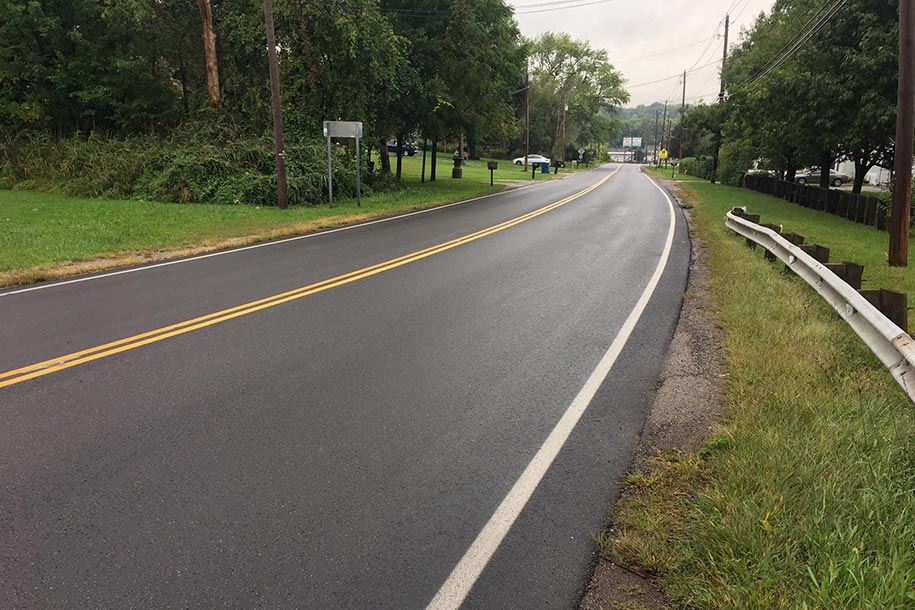
Project limits affect cost more than almost anything else, including how far the work extends along intersecting streets. Limits are often set by jurisdictional boundaries, the funding amount, or a segment in the capital plan rather than by the pavement itself. Before you lock in the street list, check a few things:
- Line up with old paving joints. Ending just short of a previous project’s joint can leave a small, isolated strip of old pavement that ages differently from everything around it.
- Know what’s under the surface. Many older downtowns have brick or concrete buried beneath layers of asphalt. Asphalt, concrete, brick, and composite pavements each call for different equipment, methods, and quantities. Finding this out during design, not construction, helps the team pick the right treatment and decide whether a change in pavement type should shift the limits.
- Count the curb ramps. This line item often surprises people. The Department of Justice (DOJ) and Federal Highway Administration (FHWA) treat resurfacing as an alteration, so every place a sidewalk crosses a curb within your limits needs an ADA-compliant ramp, regardless of funding source. In a walkable downtown or residential grid, ramps add up quickly, and some funding programs add their own design and documentation requirements.
2. The right treatment for each street
Not every street needs a full mill-and-overlay. Crack sealing, fog seals, chip seals, microsurfacing, and mill-and-overlays each fit different conditions. The right choice depends on pavement condition, traffic, structural needs, expected service life, construction impacts, and cost. For municipalities with a tight budget, a mix of treatments across the network often goes further than overlaying a few streets and leaving the rest. Treatment choice can also change your ADA scope. Under DOJ/FHWA guidance, lighter maintenance treatments like crack sealing, fog seals, and chip seals generally aren’t considered alterations, while mill-and-overlays and microsurfacing applications are.
3. The strings attached to funding
Local dollars offer the most flexibility, though every project still must meet applicable laws and accessibility requirements. Comparatively, outside funding brings its own rules.
- Program requirements. Ohio Public Works Commission (OPWC), Metropolitan Planning Organizations (MPOs), and other sources may add application, bidding, consultant-selection, and construction administration/inspection requirements. For a municipal staff, the practical question is whether your team has the capacity to meet the funding requirements, and when outside support makes sense.
- Federal-aid procedures. Federally funded projects follow ODOT’s Local Public Agency process and may be locally let or ODOT let. ODOT staff can guide you once your team completes the required training, and consultants can help as well.
- Right-of-way. Federal-aid projects require documentation that the needed right-of-way is available, along with resolution of any encroachments or property issues through the ODOT process. On older streets, this step can take longer than expected.
- Schedule. Funding programs may add time for authorization and set completion deadlines. Leave room for design, approvals, bidding, and construction. More information on funding source evaluation and sources can be found in the following article.
4. What’s underneath and alongside the road?
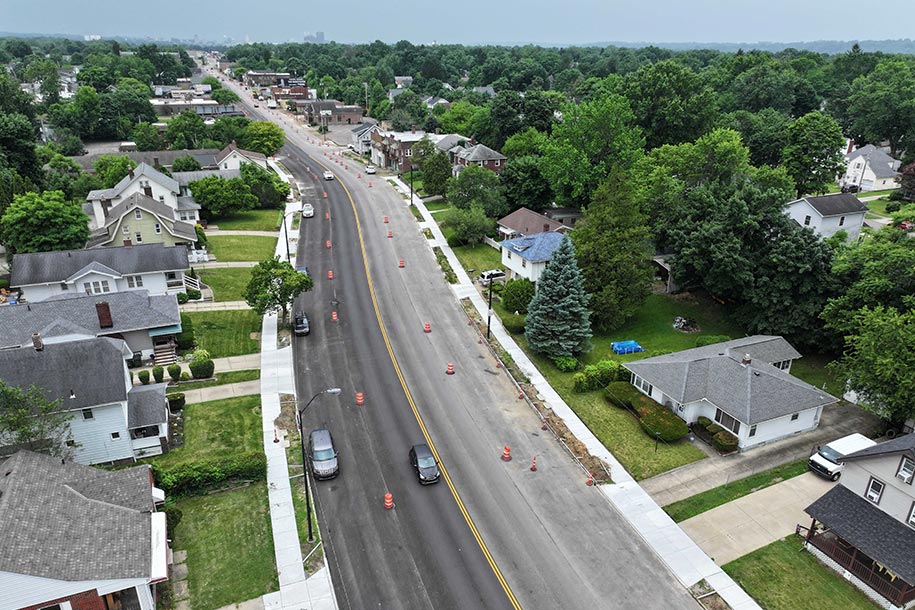
Few things frustrate residents (or council) more than a new street being cut open months later for a water main break. Coordinating related work before or during resurfacing protects your investment:
- Public utilities. Find out whether storm sewer, sanitary sewer, or water lines need repair or replacement, or whether work is already planned. When feasible, finish underground work before final paving. Sequencing will depend on schedule, funding, emergencies, and constructability.
- Private utilities. Call your gas, electric, and telecom utility contacts early and ask about planned work that could affect the roadway.
- Roadside conditions. Review drainage, ditch stability and maintenance, roadside trees, and anything else that affects safety or pavement life.
- Safety and mobility. Resurfacing is a natural time to add or improve turn lanes, pedestrian crossings, or road-diet elements, as it will already involve restriping.
5. How much plan development do you really need?
Resurfacing plans range from a bid book and street list to fully surveyed construction documents that also record existing right-of-way conditions. The right level depends on funding requirements, project complexity, risk, and community goals. Whatever you choose – budget for the design and the construction management/administration services that your funding source requires. Municipalities sometimes budget construction alone and unfortunately discover the gap later.
The payoff
A well-planned resurfacing project does more than smooth a street. It avoids rework, keeps you in good standing with funders, and gives residents something that lasts. Learn more about our transportation planning and design services or contact us directly.