

Make the Most of This Year’s Field Season: Why Summer and Early Fall Are Critical for Project Planning
Although many construction projects do not break ground until the following spring or summer, the planning that keeps those projects on schedule begins much earlier. For projects with potential environmental constraints, one of the most important steps is completing wetland and surface delineations during the growing season.
Complete Wetland Delineations During the Growing Season
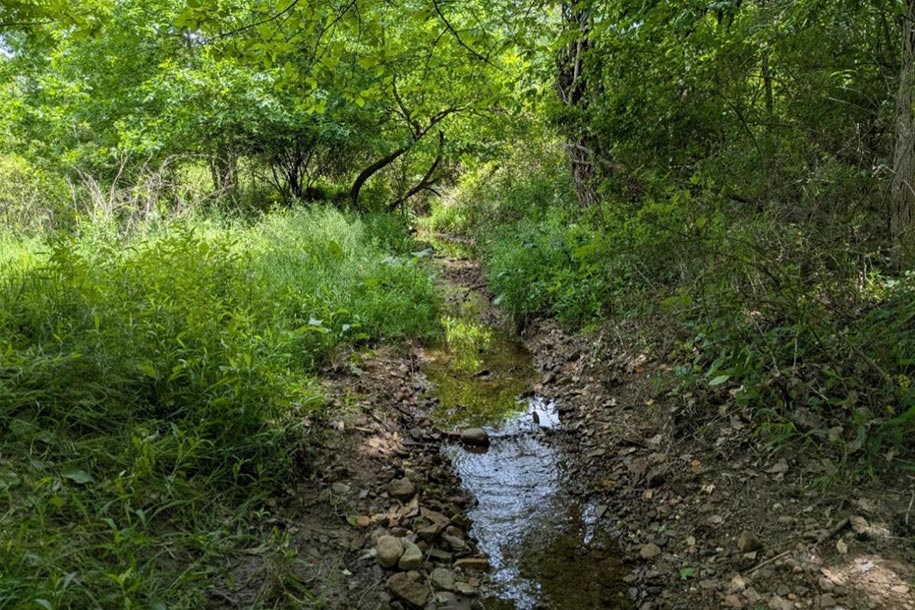
In Ohio, the optimal window for conducting wetland and surface water delineations generally extends through mid-October, when vegetation, hydrology, and soil indicators can be accurately evaluated.
After the growing season ends, field conditions become less reliable. As a result, projects that have not completed delineations before the end of the growing season may need to wait until the following spring or summer to perform fieldwork that satisfies the requirements and expectations of the U.S. Army Corps of Engineers. Missing this seasonal window can delay project design, environmental permitting, and ultimately construction schedules.
Identify Environmental Constraints Early
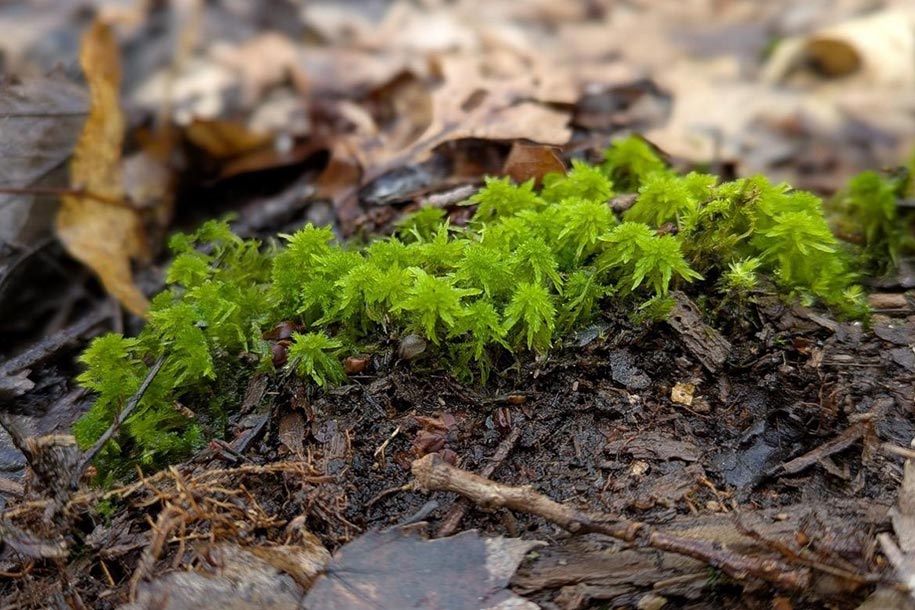
Completing ecological field investigations now also provides valuable time to identify potential environmental constraints early in the design process. Wetlands, streams, floodplains, threatened and endangered species habitat, and other natural resources can significantly influence site layout, permitting requirements, and project costs. Identifying these resources before design advances allows project teams to evaluate alternatives, minimize impacts, and avoid costly redesigns later.
Prepare for Seasonal Tree Clearing Requirements
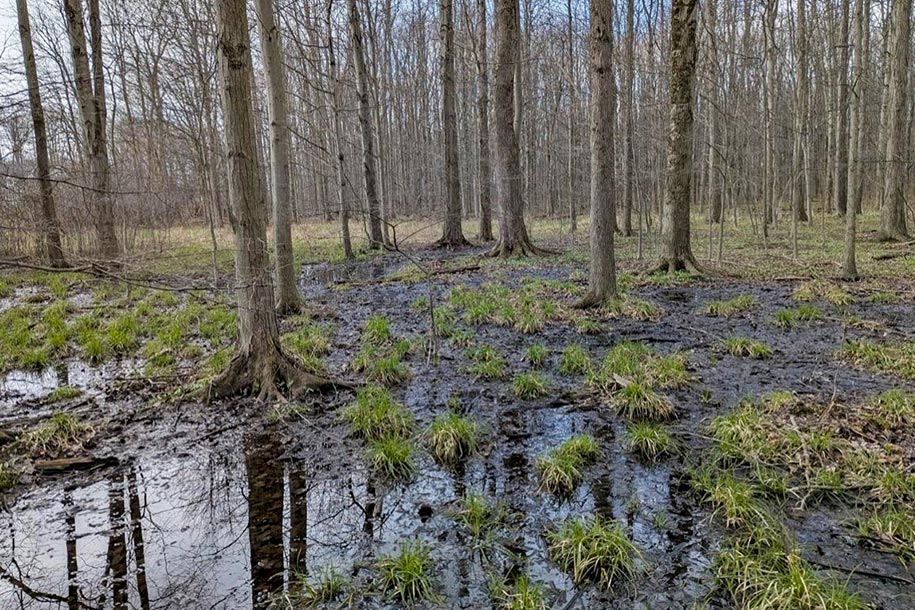
Planning ahead is equally important for projects that may require tree clearing. In Ohio, tree clearing is often restricted to the inactive season for federally and state-listed bat species, which generally extends from October 1 through March 31. Completing ecological field investigations and environmental permitting activities early helps ensure projects are ready to take advantage of this limited construction window, reducing the risk of schedule delays and helping keep projects on track.
Completing delineations and environmental evaluations this summer and early fall allows sufficient time to finalize project designs, obtain necessary approvals, and prepare for tree clearing once the seasonal window opens. Waiting until late fall to begin environmental investigations can make it difficult to capitalize on this limited construction opportunity.
Start Planning Now to Stay on Schedule
Whether you are considering a property acquisition, beginning preliminary engineering, or preparing for construction in 2027, now is the ideal time to initiate ecological due diligence. Early coordination with environmental professionals can help identify environmental permitting needs, reduce project risks, maintain schedules, and keep projects moving efficiently from planning through construction. A little planning today can prevent months of avoidable delays tomorrow. Contact our ecological services team today!